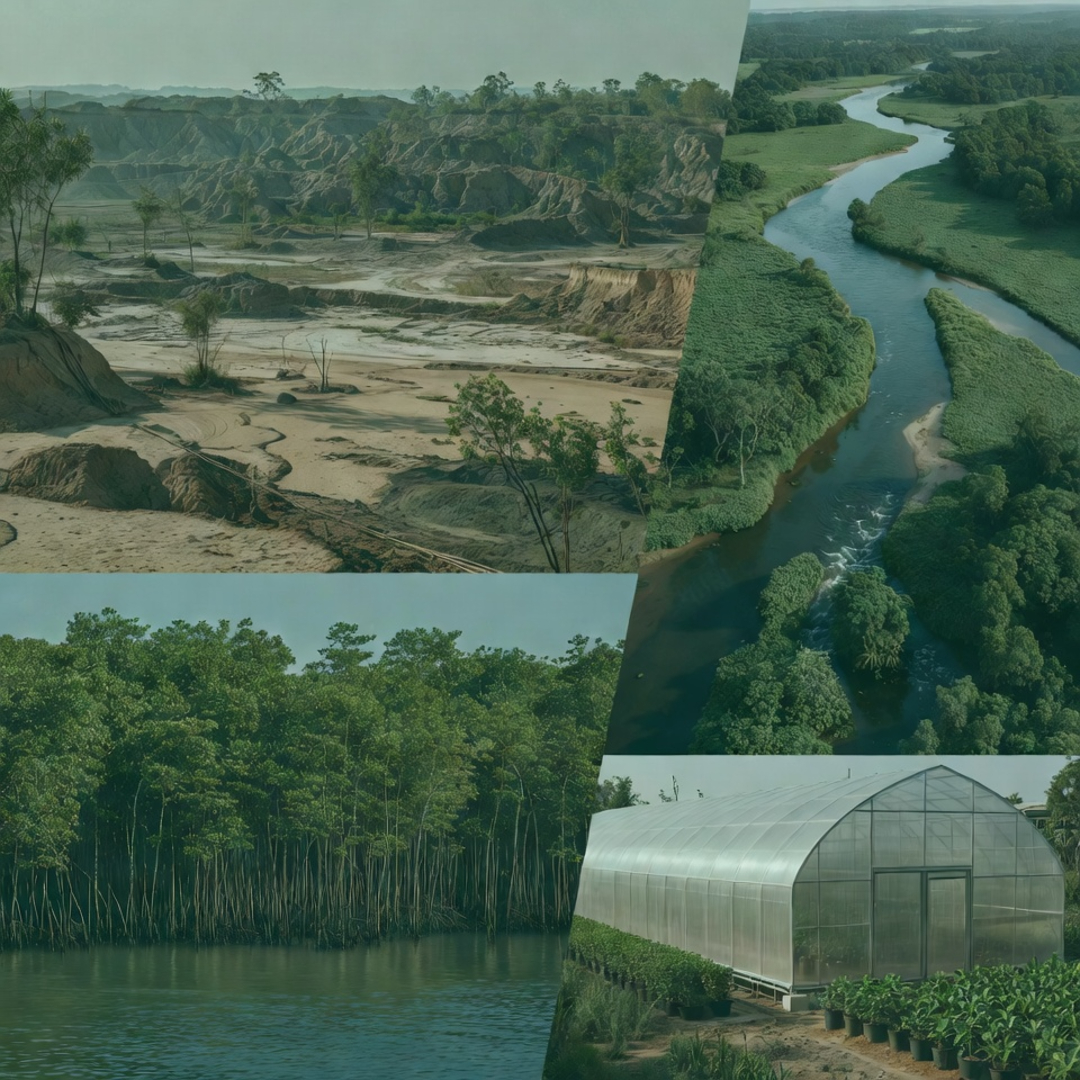
Welcome to Eco-Link Advisory, a Dutch-based, diaspora-led firm specializing in geospatial intelligence, ecological resilience, and human-centred governance. We help public and private actors design, monitor, and evaluate programs with evidence, inclusion, and accountability. Eco-Link Advisory Forging a Bridge Between Data, Nature, and Humanity in Fragile States. Founded in the Netherlands, we address the challenges of climate and development projects in fragile, conflict-affected settings—where hidden power dynamics, data scarcity, and institutional volatility often lead to underperformance.
Our mission:
Transform investments into measurable, sustainable, and human-centered impact, ensuring every intervention is data-driven, ecologically sound, and socially legitimate.
Eco-Link Advisory unite three disciplines:
- Geospatial intelligence (mapping and satellite-based analysis)
- Ecosystem and climate resilience (nature-based solutions and landscape planning)
- Governance, capacity, and program support (conflict-sensitive design, inclusion, and accountability).
Drawing on Dutch innovation and diaspora expertise, we make every euro smarter, safer, and more inclusive.

Why Eco-Link?
Many projects fail due to:
- Hidden power dynamics distorting decisions
- Data scarcity weakening planning
- Institutional volatility undermining trust
We fix this with:
- Decision-grade evidence and nature-based design
- Ethical monitoring and remote verification
- Conflict-sensitive, locally grounded strategies
Our Promise: Turning fragility into resilience through data, ecology, and human-centred design.
Proof Points:
-
- 10+ years of leadership in natural resources and climate governance
- Managed €250M+ portfolios in conflict settings
- Dutch academic expertise in GIS, environment, and rural development
- Diaspora legitimacy in priority regions
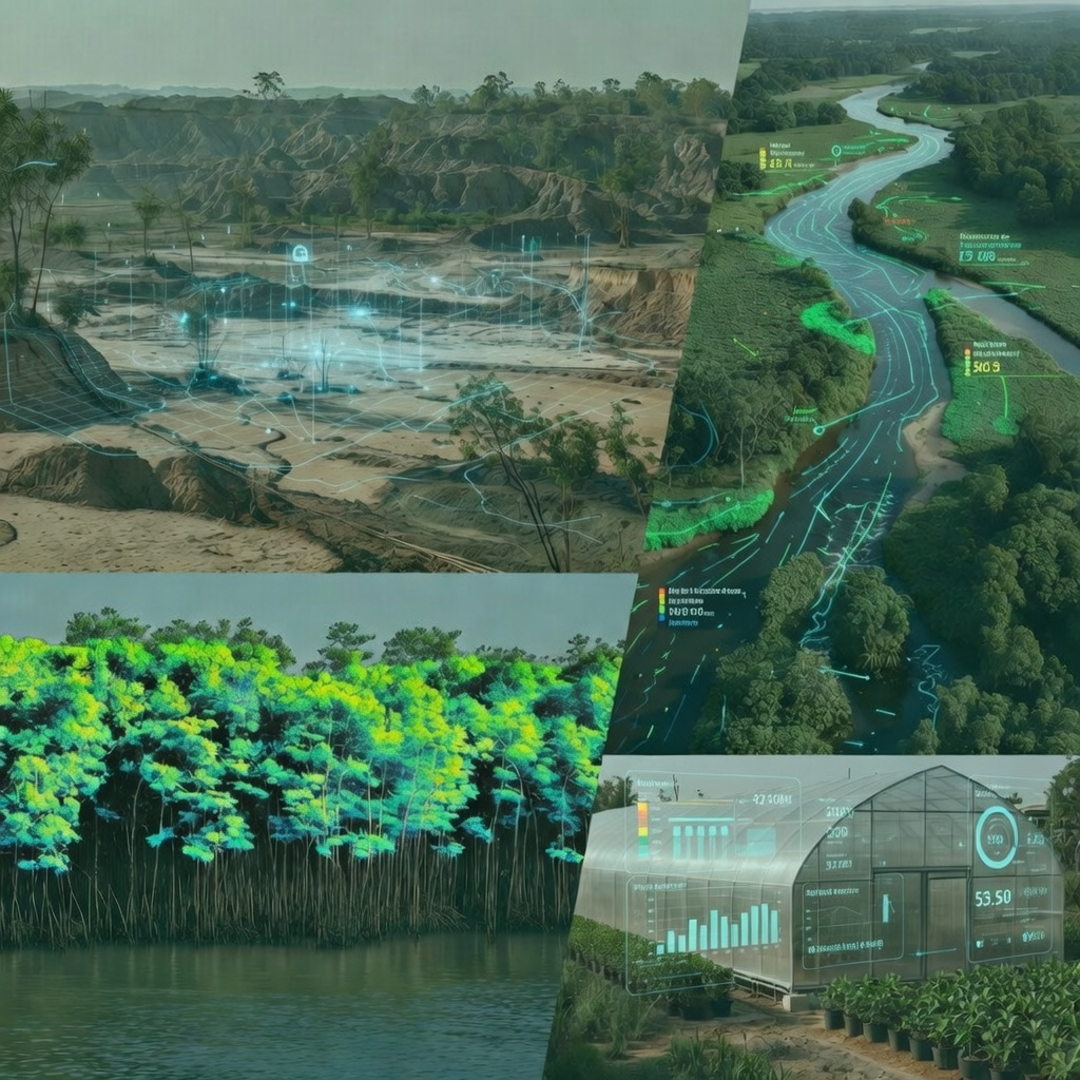
What We Do?
Our Core Service Lines:
- Climate and conflict risk mapping using geospatial analysis and satellite evidence.
- Climate‑adaptation and agri‑food planning grounded in local ecology and livelihoods.
- Design of food‑security and natural‑resource management projects.
- Evidence‑based strategies for agriculture and natural resources for donors and non‑governmental organisations.
- Environmental, social and governance and climate‑risk assessments for companies.
- Training and capacity building in geospatial analysis, climate resilience and nature‑based solutions.
- Fundraising and consortium‑based proposal development.
- Value‑chain studies and sustainability plans for agri‑food initiatives.
- Monitoring and evaluation using satellite indicators and ethically designed monitoring, reporting and verification.
- Research and policy support.
Process
- Diagnostic conversation and scoping: clarify objectives, constraints and data realities.
- Statement of Work: define scope, deliverables, acceptance criteria, timelines and roles.
- Milestone delivery with change‑control: standard 30/40/30 invoicing (signature / interim deliverable / final deliverable).
- Data protection by design: roles under the General Data Protection Regulation (GDPR) and a Data Processing Agreement (DPA) when required; secure handling, limited retention and ethical safeguards.
- Open evidence and learning: decision memos, methods and limitations documented for transparency.
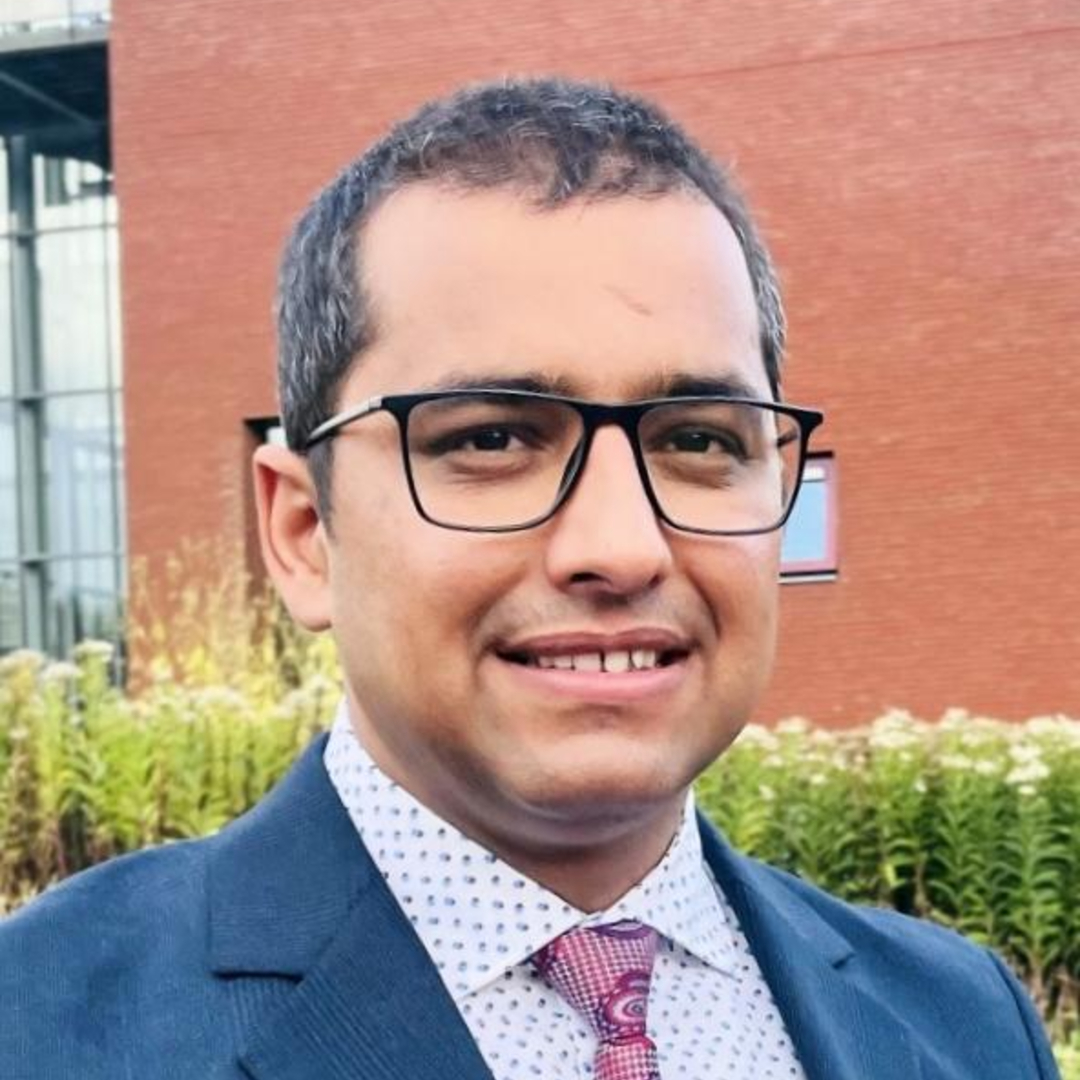
Mohammad Rafi Qazizada – Former Director-General of Natural Resources Management (Afghanistan) with 15+ years in fragile settings. Experienced in managing multi-donor portfolios, negotiating with stakeholders, and academic expertise from Dutch universities (MSc in Environmental Management, Rural Development, and pursuing GIS). Committed to bridging Dutch/EU innovation with local realities in conflict-affected regions.
Pricing and Package
Customized pricing based on project scope. Contact us for a detailed quote.
Frequently Asked Questions (FAQs)
1. What is Eco-Link Advisory?
Eco-Link Advisory is a Dutch-based, diaspora-led advisory firm specializing in geospatial intelligence, ecological resilience, and human-centred governance. We assist public and private actors in designing and monitoring programs in fragile and conflict-affected settings, emphasizing evidence, inclusion, and accountability. Our tagline: Forging a Bridge Between Data, Nature, and Humanity in Fragile States.
2. Why was Eco-Link Advisory founded?
Climate and development projects in fragile states often underperform due to hidden power dynamics, data scarcity, and institutional volatility. Eco-Link was created to address these by integrating decision-grade evidence, nature-based solutions, and human-centred governance, ensuring investments are smarter, safer, and more inclusive.
3. What is your mission statement?
Our mission is to transform investments in fragile states into measurable, sustainable, and human-centered impact. We ensure every intervention is data-driven, ecologically sound, and socially legitimate by balancing geospatial intelligence, ecosystem resilience, and governance support.
4. What are your core service lines?
We offer:
- Climate and conflict risk mapping with geospatial and satellite analysis.
- Climate-adaptation and agri-food planning rooted in local ecology and livelihoods.
- Design of food-security and natural-resource management projects.
- Evidence-based strategies for donors and NGOs.
- ESG and climate-risk assessments for companies.
- Training in geospatial analysis, climate resilience, and nature-based solutions.
- Fundraising, consortium proposals, and value-chain studies.
- Ethical monitoring, reporting, and verification (MRV) using satellite indicators.
- Research and policy support.
5. Who are your primary clients?
We serve the public sector and civil society, including Dutch and EU donors, NGOs, UN agencies, and research institutions. We also partner with private sector clients such as companies in agri-food, water, environmental technologies, engineering, and supply chains that require siting and risk decisions in sensitive geographies.
6. What regions do you primarily focus on?
Primary regions: Afghanistan, Horn of Africa, Sahel, Bangladesh, Nepal, Pakistan. Secondary regions: Ukraine, Palestine, pockets of Syria and Iraq, Sudan and South Sudan, Yemen. We prioritize areas with high climate fragility, donor investment, and governance complexity.
7. How do you ensure ethical practices in your work?
Ethics are core to our operations. We incorporate do-no-harm principles, inclusion, and conflict sensitivity into every assignment. We document data limitations, respect privacy, and design transparent monitoring. For personal data, we comply with GDPR, execute Data Processing Agreements (DPAs), and ensure secure handling with limited retention.
8. Who is the founder of Eco-Link Advisory?
Mohammad Rafi Qazizada, former Director-General of Natural Resources in Afghanistan, with over 15 years in fragile settings. He has managed €250M+ multi-donor portfolios, negotiated with stakeholders, and holds Dutch academic qualifications in agriculture, environment, and geospatial science.
9. What is your engagement process?
It starts with a diagnostic conversation to understand objectives and constraints. We then provide a Statement of Work (SOW) detailing scope, deliverables, timelines, and roles. Delivery follows milestones with 30/40/30 invoicing (at signature, interim, and final), including change controls and transparent documentation.
10. How can I start working with Eco-Link?
Reach out at m.rfi@hotmail.com for a free initial consultation. We suggest beginning with an entry offer, such as a pre-start risk scan, to quickly build evidence and de-risk your project in a fragile setting.
11. What are your entry-level offers?
- Pre-start risk and evidence scan (10–15 days): Includes baseline sources, climate/conflict overlays, a viability scorecard, and initial monitoring indicators.
- MRV design (3–4 weeks): Practical indicator sets with satellite proxies, sampling, quality controls, and ethics/inclusion safeguards.
- Remote monitoring support (monthly): Periodic briefs, maps, dashboards, threshold alerts, and coordination calls.
- Site and portfolio viability review (3–4 weeks): Risk overlays, mitigation options, and decision memos with geospatial layers and metadata.
12. How do you incorporate geospatial intelligence?
We leverage mapping, satellite-based analysis, and GIS/RS tools for climate-conflict risk modeling, land use assessments, and remote monitoring. This delivers actionable, decision-grade evidence to navigate challenges in fragile environments.
13. What role do nature-based solutions play in your services?
Nature-based solutions are integral to our ecosystem and climate resilience efforts. We focus on landscape planning, natural resource management, and adaptation strategies that harness local ecology to enhance sustainability and reduce risks like erosion, flooding, or biodiversity loss.
14. How do you support human-centred governance?
We promote conflict-sensitive design, stakeholder inclusion, and accountability mechanisms. This involves ethical MRV, capacity building, and locally grounded approaches to foster trust and legitimacy in program delivery.
15. What is MRV, and how do you implement it?
Monitoring, Reporting, and Verification (MRV) ensures ethical tracking of program outcomes. We implement it with satellite indicators, customizable dashboards, sampling protocols, and safeguards for quality, ethics, and inclusion.
16. Do you offer training programs?
Yes, we deliver tailored training in geospatial analysis, climate resilience, nature-based solutions, and conflict-sensitive design. These can be standalone modules, workshops, or integrated into larger engagements for donors, NGOs, or companies.
17. How do you address data scarcity in fragile states?
We overcome data gaps using satellite evidence, geospatial overlays, and remote sensing, combined with on-the-ground insights from our diaspora-led team. This creates reliable baselines for effective planning and monitoring.
18. What makes Eco-Link unique?
Our unique blend of diaspora expertise, Dutch innovation ecosystem, and integrated focus on data, nature, and humanity distinguishes us. With proven track records in high-risk areas, we convert fragility into resilient, inclusive outcomes.
19. How is pricing structured?
Pricing is customized based on project scope and outlined in the SOW. Entry offers typically range from €10k, with milestone-based invoicing for financial transparency.
20. Can you assist with fundraising or proposals?
Absolutely. We help with consortium-based proposal development, value-chain studies, and sustainability plans for agri-food initiatives. Our evidence-based strategies and risk assessments strengthen funding applications to donors.
21. What GDPR compliance measures do you take?
We define GDPR roles in relevant engagements, execute DPAs for data processing, employ secure storage and encryption, limit data retention, and incorporate ethical safeguards to protect privacy and comply with regulations.
22. How do you measure project success?
We use KPIs such as program viability, risk reduction, stakeholder engagement, and impact metrics. Transparent reports include methods, limitations, and lessons learned to support continuous improvement and accountability.
23. What types of partnerships do you seek?
We seek strategic partnerships with GIS/data firms, Dutch NGOs, diaspora networks, and organizations in climate, development, and agri-food sectors. These collaborations enhance our capabilities in geospatial tools, local insights, and joint program delivery in fragile states.
24. What companies do you look to partner with?
We look for partnerships with responsible companies in agri-food, water and environmental technologies, engineering, and supply chains. Ideal partners are those operating or investing in fragile geographies and needing expertise in ESG assessments, risk mapping, or nature-based solutions.
25. How can my company or organization partner with Eco-Link?
Contact us at m.rfi@hotmail.com to discuss collaboration opportunities. We can explore joint proposals, co-delivered trainings, or integrated services. Partnerships are formalized through MoUs or agreements, focusing on mutual strengths in fragile state contexts.
Contact and Links
Phone: +31-633220782
Email: m.rfi@hotmail.com
Mohammad Rafi Qazizada | LinkedIn